

Blog
Blog Posts
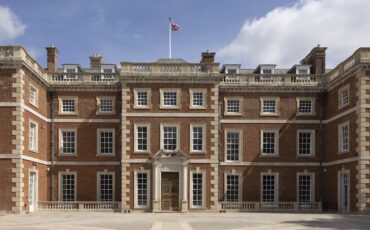
Visiting Trent Park House of Secrets in London
Although I grew up in Enfield and had visited Trent Country Park to see the daffodils in spring, I had no idea of its history. Its WW2 history was not made public until the end of the Cold War, but now, all is revealed in a new museum, The House of Secrets in Trent Park Mansion.
Read more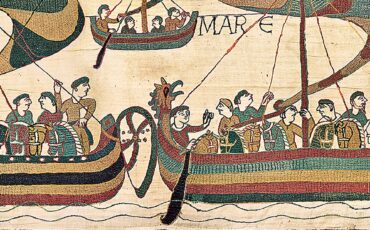
The Bayeux Tapestry: The Story of 1066 at the British Museum
The seventy-metre-long Bayeux Tapestry has recently left the museum it has been housed in for the first time to come to a special exhibition at the British Museum. The museum in which it is held is closed and is undergoing a revamp which will cost twenty million euro when it is finished. The Bayeux Museum is due to reopen in October 2027.
Read more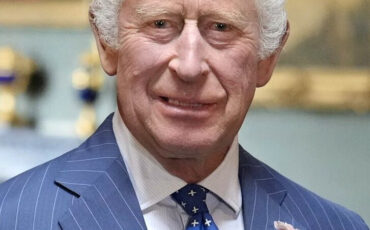
Royal News: King Charles Pays Almost £13 Million in Tax & Prince George Goes to Eton
The Royal Family have agreed to pay income tax to the British state, and King Charles III has revealed that he has paid £12.9 million in tax for the year 2024-25. This is far more than any tourist guide will pay and reflects the fact that Charles is one of the richest people to have occupied the throne of the United Kingdom.
Read more
John William Polidori, A Londoner from Italy
On a cold, windy night, I am leaving Soho. Outside, I pause to check my messages (as tourist guides should always do), and that is when it happens. For an instant, I feel a shove, sharp enough to make me step back…but when I turn, there is no one there. Except him. He is already halfway down Great Pulteney Street, slipping into a wrought iron doorway I swear was not open a moment ago.
Read more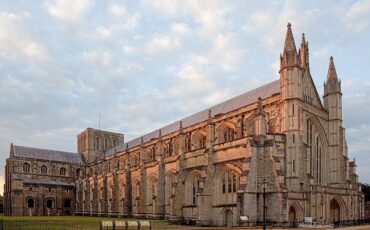
Do the Bones Inside Winchester Cathedral Really Belong to Anglo-Saxon Kings? Ancient DNA May Finally Have the Answer
The ancient DNA project connected to Winchester Cathedral is one of those rare historical investigations that feels almost unreal when you first hear about it. Hidden high above the cathedral chancel are a series of painted wooden mortuary chests which are believed to contain the bones of some of the most important people from Anglo-Saxon England.
Read more
How To ‘Read’ A Dinosaur – The Natural History Museum’s Collection in London
With the news that the Natural History Museum (NHM) has surpassed the British Museum in visitor numbers (seven million as opposed to six million a year) a new focus on the collection of dinosaur fossils and models has started. Many of the dinosaur models were gifts from Andrew Carnegie, who was born in Scotland and never forgot his British roots. They include the model of a Diplodocus (‘Dippy’) which used to be seen as you entered the NHM.
Read more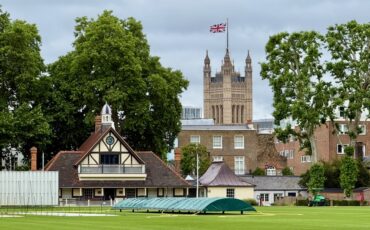
Vincent Square London: A Hidden Scottish Story
Vincent Square in the Westminster area of London looks peaceful today, but it has a history that is far more interesting than many visitors might expect. I first looked into its name when I was meeting clients at a hotel there and discovered a story I did not know before. It is a good example of how even a familiar place in London can open up unexpected connections to the past.
Read more
Banksy Limitless Museum in London
A new museum recently opened in London is Banksy Limitless, a short walk from South Kensington tube station at 79 – 85 Old Brompton Road, SW7 3LD It is in an old Victorian building which was transformed into a museum in September 2025. The entrance fee is £25.
Read more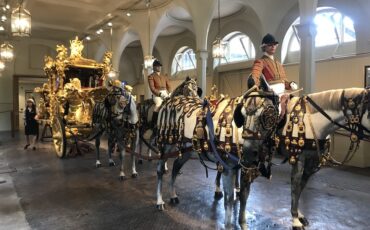
Visiting The Royal Mews By Buckingham Palace In London
Buckingham Palace, the official residence of the British monarch, is one of the highlights of any visit to London. Did you know that just beside the palace are the Royal Mews, which you can also visit? The Mews are where the Royal Family have kept their fine horses and elegant carriages for centuries and where they have parked their luxury automobiles since Edward VII purchased the first royal car in 1901.
Read more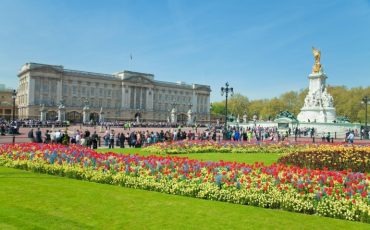
Buckingham Palace Summer Opening: A Guide to Visiting the Royal Residence
Since its introduction in 1993, the Buckingham Palace Summer Opening allows visitors a rare opportunity to explore the State Rooms of the monarch’s official London residence. 2024 was a record-breaking year for Buckingham Palace, which welcomed the most visitors in the history of its summer opening.
Read more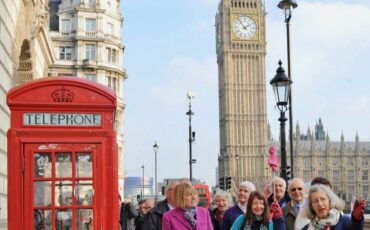
Red Telephone Boxes in London: From Bell’s Invention to a British Icon
Most London Blue Badge Tourist Guides have had clients who want to get a snap of themselves by a red London phone box, often with Big Ben in the background. It is almost a rite of passage for a visitor to London and so the red boxes at the end of Whitehall often have long queues of people waiting outside for the chance to take a picture of themselves. The phone booths are rarely put to their original use – namely, to make phone calls. Now, of course, the mobile phone reigns supreme and most people have a smartphone in their pocket.
Read more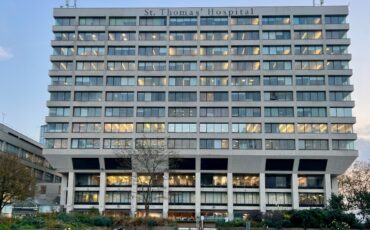
London Hospitals: From Medieval Foundations to Modern NHS Sites
London has more than 20 hospitals that serve its population of over 9 million people. Most of these are run by the NHS, but a few are private hospitals, often run by the British United Provident Association, a private health provider, which usually, like the NHS, goes by its initials. BUPA was founded in 1947 and provides competition for the NHS, and some companies offer private health for their employees as a perk to attract applicants. Most people are happy enough, however, to rely on the NHS for healthcare provision.
Read moreLondon Southwark & South Bank Tour

Explore the cultural highlights of Southwark, Southbank, and Bankside in London
A London Southwark & South Bank Tour is unmissable because…
Southwark is a part of…