

Blog
Blog Posts

The UK Honours System: A Comprehensive Guide to the Orders and Medals
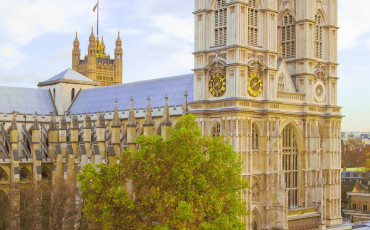
The United Kingdom’s honours system rewards those who have rendered significant service to the country. These awards are typically in the form of lifetime titles that cannot be passed down to the recipient’s children. However, in very rare cases, a hereditary peerage is granted, allowing the recipient to leave a title to their offspring.
Read more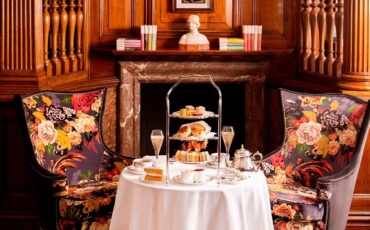
10 Facts You Didn’t Know About The History of Afternoon Tea in England
Many visitors to Britain like to partake in the ritual of afternoon tea, which is a long-standing British tradition. It combines the British love of drinking tea with a fondness for cakes and other sweet dishes in the middle of the afternoon. Many hotels and well-known shops, such as Fortnum and Mason on Piccadilly, offer afternoon tea packages.
Read more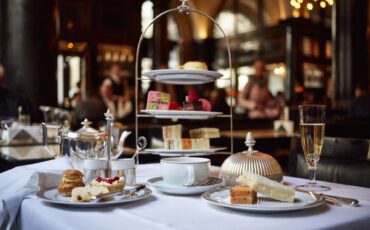
Afternoon Tea in London: Where to Indulge in the Ultimate English Treat
What could be more quintessentially English than afternoon tea? This is often one of the top items on London visitors’ itineraries, but many are unsure of where to go or surprised by how expensive it can be.
Read more
Knights Of The Garter: The Oldest Order In The United Kingdom
Throughout British history, there have been just over a thousand Knights of the Garter. According to tradition, the order was founded by King Edward III in 1348, not long after he laid a claim to the throne of France. King Edward and his son, also called Edward, began the Hundred Years War against the French for control of their country.
Read more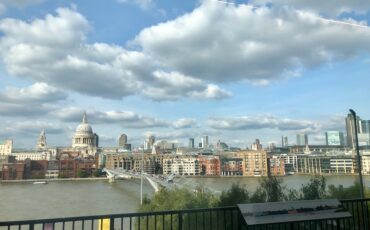
Mission Impossible Films: Scenes Shot In London And Around The United Kingdom
The Mission Impossible film series is famous for its use of exotic locations around the globe. Tom Cruise, portraying the top secret agent Ethan Hunt and his team save the world in the world’s tallest building in Dubai or at the Vatican. However, they also use British locations in their films, some of which are seen in the latest instalment, Dead Reckoning: Part One. The second instalment of the film has been made and is due to be released in June 2024.
Read more
The History of the Royal Fly Past
The Royal Fly Past takes place after great state occasions, most particularly after events such as Trooping of the Colour, the official celebration of the monarch’s birthday. The Trooping takes place on a Saturday in June every year. Although the date might not coincide with the actual birthday of the monarch – King Charles III was born on 14th November 1948 – it is a convenient date for the ceremony, which takes place when the British weather is usually at its best. Since the accession of George III in 1760, Trooping of the Colour has been an annual event.
Read more
Discover the History of Bradgate House, the Childhood Home of Lady Jane Grey
In February, an announcement was made by Historic England that it is to give a grant of £37,160 to help preserve the remains of Bradgate House, the childhood home of Lady Jane Grey. Archaeologists from the University of Leicester have been carrying out digs to find out more about the history of the house and what it would have looked like in Jane’s day. The ruins are in Bradgate Park, a beauty spot dominated by a 212-metre hill. At the top is an eighteenth-century folly called Old John, a tower with an arch which can be seen for miles around.
Read more
Trooping the Colour – A Royal Birthday Parade
Many of us would love to have a birthday parade with marching bands, and soldiers perfectly turned out displaying their marching skills. Trooping the Colour marks Her Majesty The Queen’s official birthday. As the late Duke of Edinburgh stated, ‘it is not a “theatrical” production, (sic) it is a deadly serious demonstration of the basic infantry skills for which the British Guards are renowned across the world.’
Read more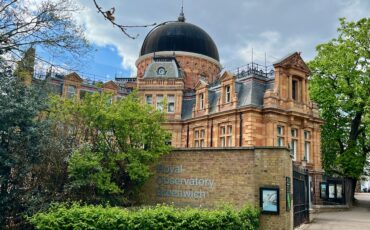
Top 10 Reasons to Visit London’s Royal Borough of Greenwich
Designated a UNESCO World Heritage site, Greenwich provides the perfect day out for visitors wanting to escape the hustle and bustle of Central London. A short journey down river from Central London, the Royal Borough of Greenwich is home to six museums, stunning historic architecture and a wonderful range of shops, markets, pubs and restaurants.
Read more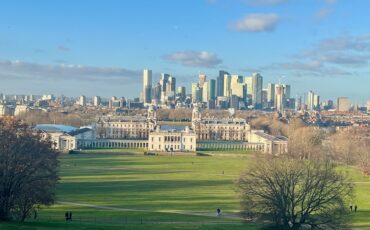
Uncovering the Secrets of the Old Royal Naval College in Greenwich
This year is a very good time to visit the spectacular Old Royal Naval College (ORNC), right in the heart of Greenwich, especially if you love royal and maritime history and architecture. In 2023 we are celebrating Wren 300. This is a commemoration of 300 years since the death of the great architect of the ORNC, Sir Christopher Wren, who gave his time for free when the building was commissioned in 1694. So what is the ORNC, and why should you include it on a visit to London?
Read more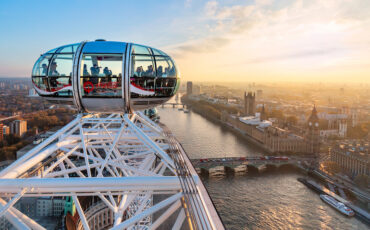
Upon The Roof: Ten Places To See London From On High
Many visitors to London like to see the city from on high and several attractions give them the opportunity to do so. The London Eye and the viewing platform at The Shard are two of the capital’s most popular attractions, while One New Change and the Sky Garden attract people who do not wish to pay an entrance fee or wait in line to look at London from high up. Other towers, such as Arcelor Mittal Orbit in the Olympic Park and The Monument to the Great Fire, may not attract so many visitors but are important parts of London’s skyline.
Read more
History of Canterbury Cathedral
Canterbury Cathedral covers 1,400 years of history and is today the seat of the Archbishop of Canterbury, the spiritual head of the Church of England. Once one of the major pilgrimage sites in England until the Reformation in the 16th century. Today the Cathedral is renowned as having some of the finest Medieval stained glass in the country as well as being one of the great Gothic style architectural buildings dating mainly from the 11th-16th century.
Read moreMaritime Greenwich Tour

Explore the maritime history and stunning architecture of Royal Greenwich in London
A Greenwich Tour in London is unmissable because…
Greenwich is the home of time,…