


It was around 11:30 in the morning of the 8th August 1969 when Iain MacMillan took a photograph of John, Paul, George and Ringo crossing the most famous pedestrian crossing in London – and probably the world. This was in Abbey Road just outside the studio where the Beatles made their records. It remains one of the most iconic album covers of all time and is imitated by around half a million people every year.
MacMillan had been introduced to John Lennon by Yoko Ono, who was increasingly influential in the band’s affairs and is sometimes blamed for their break-up. In fact, they were coming to the end of their natural life and getting ready to go their separate ways. They were still producing albums, however, and had performed that famous ‘concert’ earlier in the year at Savile Row on the rooftop of the Apple Building.
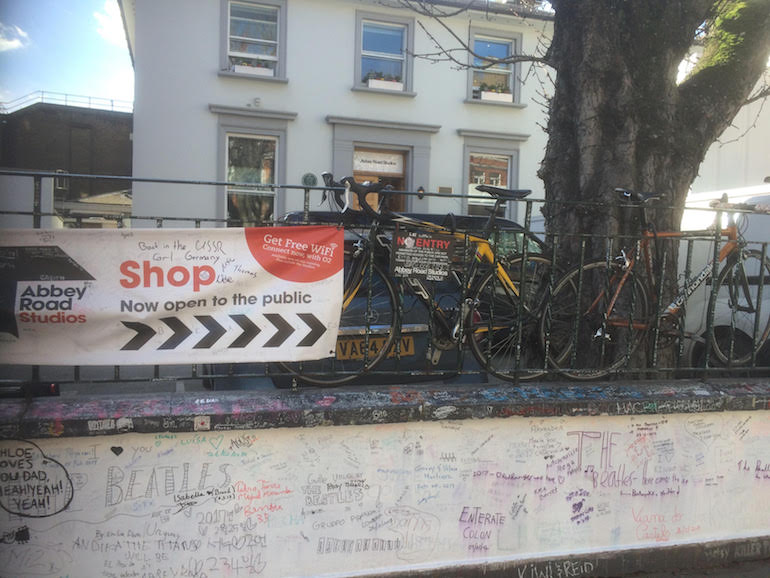 Abbey Road Studios in London. Photo Credit: © Edwin Lerner.
The original plan was to fly to Mount Everest for the cover photograph. This proved too difficult logistically, so the band simply stepped out of their recording studio and after a police officer stopped traffic for ten minutes, MacMillan climbed up a step ladder to take the famous picture. The Beatles were wearing Tommy Nutter suits, except for George who was in denim, and the rest is history. Even the Volkswagen Beetle car in the background is part of the story. Volkswagen traced the car and paid $25,000 for it and it can now be seen at the Volkswagen Museum in Wolfsburg, Germany along with Herbie, another famous ‘Beetle’.
Abbey Road was the last album the group made at the studio. The cover shows just the photograph taken on the day without any album title. The group’s record company Parlophone wanted to include a title but the Beatles thought – correctly as it turned out – that they were well known enough to write their own rules.
The Beatles’ final album, Let It Be, was produced by Phil Spector, who had taken over from George Martin, at Trident Studios in Soho, where Elton John and David Bowie, amongst others, recorded. The cover of this last album shows four separate photographs of John, Paul, George and Ringo, which is somehow symbolic. They were no longer a quartet but four separate individuals still producing great music.
Trident Studio is now closed while Abbey Road remains open and bands still record there. Apart from the Beatles, albums by musicians as disparate as Edward Elgar and Pink Floyd were made in the studio. It is not possible to visit it but as part of a Beatles in London Tour, people still flock to the crossing to be photographed, to write a message on the wall to the surviving Beatles and to visit the inevitable gift shop next to the studio.
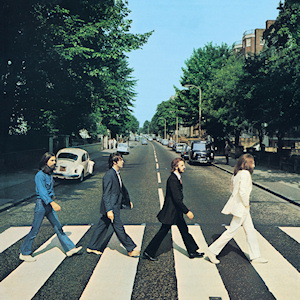 Beatles Abbey Road Album Cover. Photo Credit: © Iain Macmillan via Wikimedia Commons.


Leave a Reply