
Tina Engstrom

Shoes: Pleasure And Pain Exhibition at Victoria & Albert Museum

The Shoes: Please And Pain exhibition will look at the extremes of footwear from around the globe, presenting around 200 pairs of shoes ranging from a sandal decorated in pure gold leaf originating from ancient Egypt to the most elaborate designs by contemporary makers.

It will consider the cultural significance and transformative capacity of shoes and will examine the latest developments in footwear technology creating the possibility of ever higher heels and dramatic shapes. Examples from famous shoe wearers and collectors will be shown alongside a dazzling range of historic shoes, many of which have not been displayed before. The Shoes: Please And Pain exhibition is on at the Victoria & Albert Museum in London from 13 June 2015  – 31 January 2016.
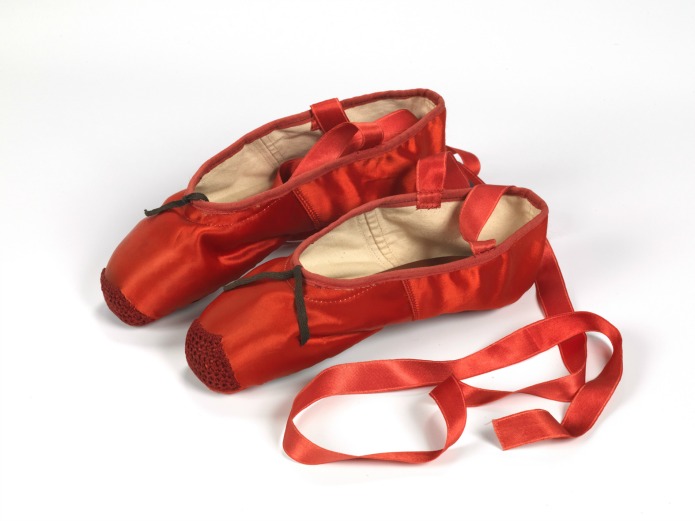
Red Ballet Shoes

Red ballet shoes made for Victoria Page (Moira Shearer) in The Red Shoes (1948), silk satin, braid and leather, England. Artist: Freed of London founded in 1929. Photo: ©Northampton Museums and Art Gallery.
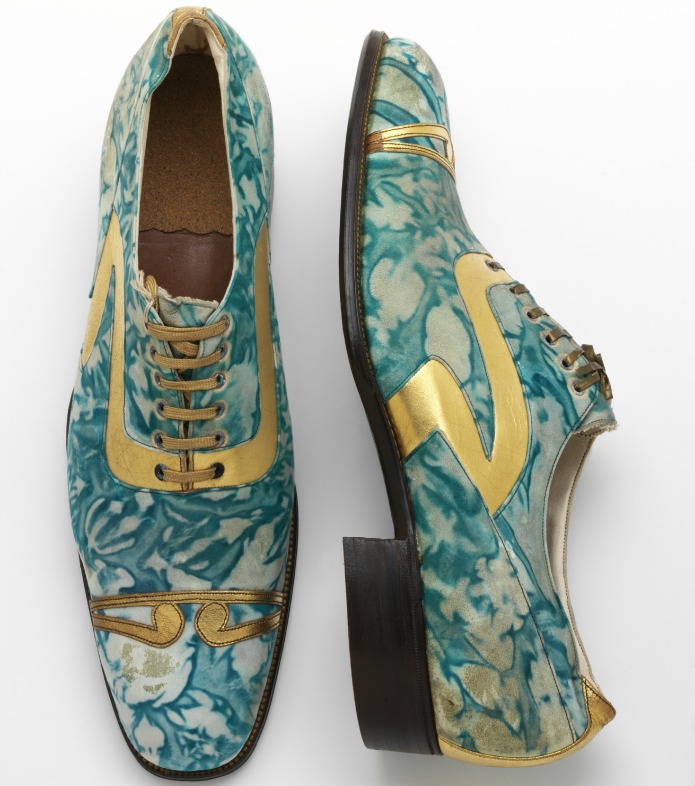
 

Mens' shoes, gilded and marbled leather, Northamptonshire, England, 1925

Mens’ shoes, gilded and marbled leather, Northamptonshire, England, 1925. Photo: ©Victoria & Albert Museum, London.

Leave a Reply

Your email address will not be published. Required fields are marked *

You may also like

Top 10 Objects To Surprise You At The British Museum

The British Museum is the most visited museum in London. Visitors from all over the world are drawn to the museum to see with their own eyes world-famous artefacts, such as the Rosetta Stone or the Parthenon frieze, artefacts that might have only be seen in school or art books. They also come to experience other cultures, because after all the British Museum is the museum of the world for the world. But for the discerning visitor a scratch beneath the surface of all the "celebrity" objects can reveal some real surprises. Here is my list of such surprises.

Read more

New Uses For Old Power Stations In London

Britain used to rely almost exclusively on coal for its electricity generation, mining it in Wales and the north and central part of England, then bringing it, usually by train, to power stations where it could be burned to heat up water that would generate electricity. Then the water was cooled down in cooling towers that can still be seen in many parts of the country.

Read more