



Using the work of Monet as a starting point, The Royal Academy of Arts landmark exhibition Painting The Modern Garden: Monet To Matisse examines the role gardens played in the evolution of art from the early 1860s through to the 1920s.
Visitors will be able to trace the emergence of the modern garden in its many forms and glories as the exhibition takes you through a period of great social change and innovation in the arts. They will also be able to discover or simply better familiarise themselves with the paintings of some of the most important Impressionist, Post-Impressionist and Avant-Garde artists of the early twentieth century as they explore this theme.
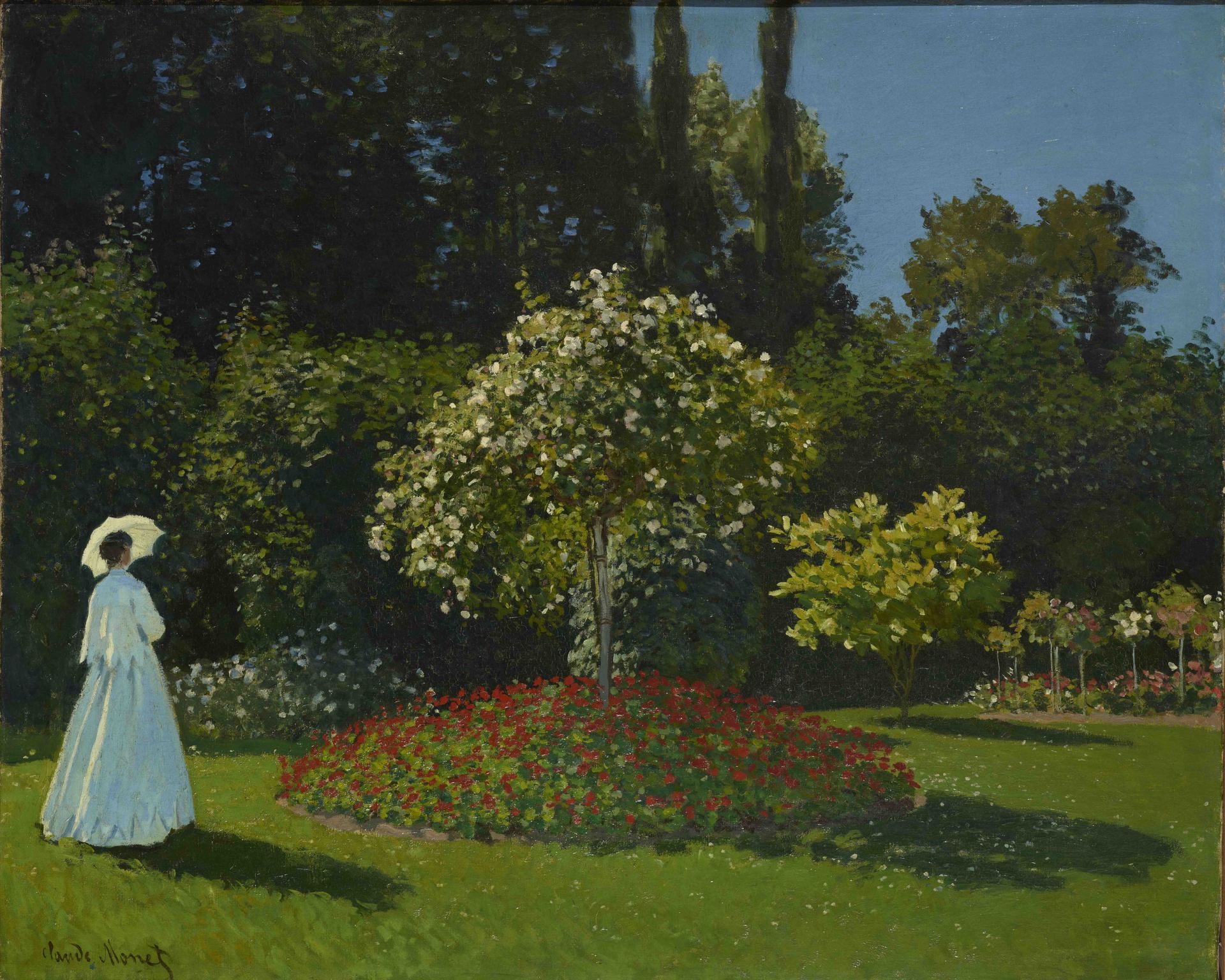
Claude Monet, Lady in the Garden, 1867. Photo: ©The State Hrmitage Museum. Photography: Vladimir Terebenin.
Monet, arguably the most important painter of gardens in the history of art, once said he owed his painting “to flowers.” But Monet was far from alone in his fascination with the horticultural world, which is why the exhibition brings you masterpieces by Renoir, Cezanne, Pissarro, Manet, Sargent, Kandinsky, Van Gogh, Matisse, Klimt and Klee.
The Royal Academy of Arts exhibition Painting The Modern Garden: Monet To Matisse starts 30 January 2016 and will run through 20 April 2016.


Leave a Reply