
Karen Sharpe

New UNESCO World Heritage Site for Britain

The Forth Bridge has just been announced as a new UNESCO world heritage site in Britain and the 6th in Scotland. Designed by Sir John Fowler and Benjamin Baker from Frome, Somerset, the rail bridge, which is 2,529 metres (8,296ft) long and 100 metres high, was the largest cantilever span in the world when it opened in 1890.

Famously, the bridge requires constant repainting. When construction began in 1882, it used a new form of metal called mild steel, which is liable to corrode in the open air. The paint company which won the original tender, Craig and Rose, continued to provide the service until 2002, when a special three-layered coating was created that is expected to last for more than 20 years. 
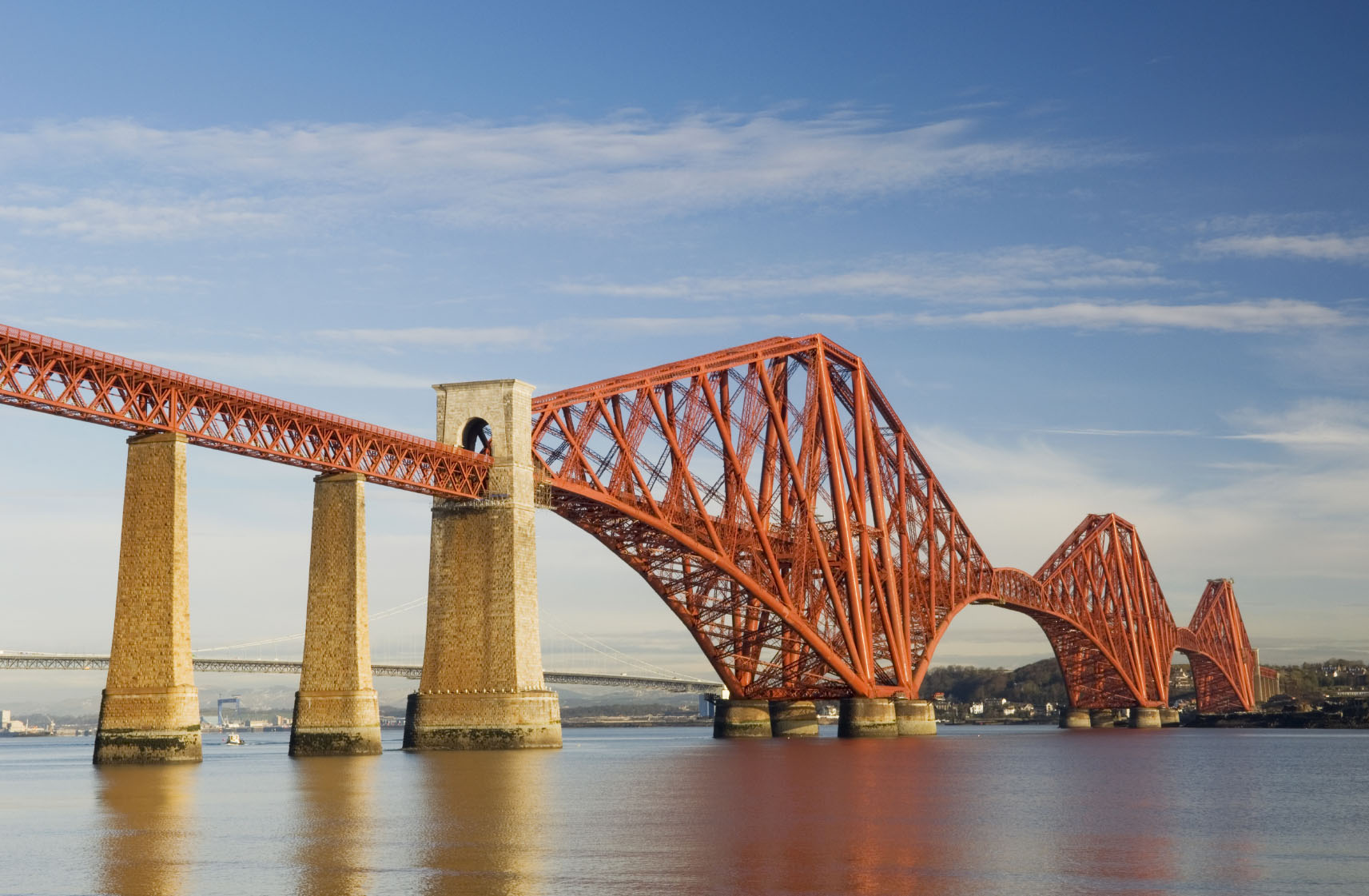
Forth Bridge - UNESCO World Heritage Status

Photo: © Forth Bridges.

Note:  There are currently 4 UNESCO World Heritage Sites in London! 

 

Karen Sharpe

I was born in London and have lived there for most of my life although I have now ‘decamped’ to what is known as the suburbs.
I have worked for an antiques removal/shipping company before joining the Metropolitan Police Force where I enjoyed a varied career for 14years. Since leaving I followed up…

Leave a Reply

Your email address will not be published. Required fields are marked *

You may also like

Top 10 Things to See at UNESCO World Heritage Site Stonehenge

There are thousands of World Heritage Sites recognised and listed by UNESCO, but there are very few as intriguing, enigmatic and awe-inspiring as Stonehenge. Stonehenge is one of the wonders of the world, the best-known prehistoric monument in Britain if not in Europe. A stone circle, built almost 5,000 years ago, it still inspires with its size and construction methods. Visitors have to travel to Wiltshire to experience it but it is a journey well worth doing.

Read more

Celebrating English Writer George Eliot 200 Years After Her Birth

Blue Badge Tourist Guides are used to standing in front of statues and telling their groups about the people portrayed in them. The subjects of these statues are far more likely to be men, with only about ten percent portraying women – and most of those are of royalty, such as Queen Victoria. Britain has produced a large number of successful female writers but there are very few monuments to commemorate them.

Read more