
Victoria Herriott

Safari Camp At ZSL London Zoo

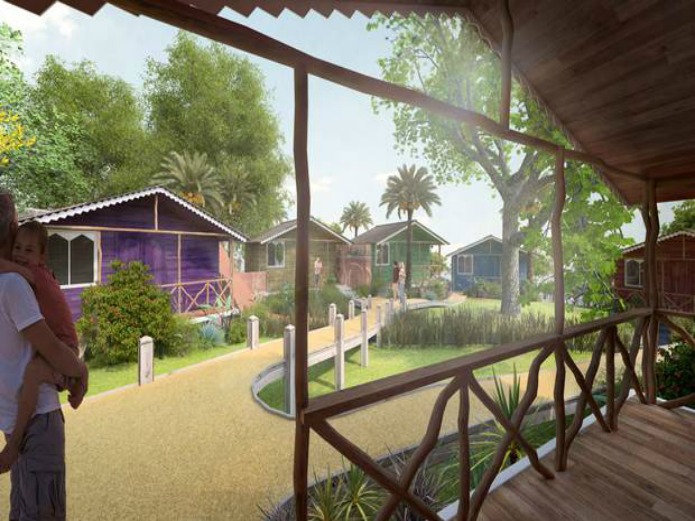
ZSL London Zoo has petitioned to build nine wooden cabins next to the lion enclosure which will allow visitors to stay overnight – and fall asleep to the sound of roaring.

Customers would have a private tour with the keepers before returning to their accommodation, where dinner would be served. Based on design sketches, the huts appear to include a private wooden veranda and access to a communal garden. Lighting will be kept low in order not to disturb the animals. A planning application has been lodged with Westminster City Council. Security measures will be tight following reports last year of visitor to the site’s Zoo Lates events becoming drunk and causing the animals stress. Incidents include a reveller throwing beer into the tiger enclosure and another trying to climb into the penguin pool. The events are believed to generate around £800,000 a year for the zoo.  A decision on whether this new “Project Aslan” venture will move forward is expected later this summer.
London Zoo - Safari Camp

How the safari camp at London Zoo could look. Photo: © London Zoo.

Victoria Herriott

I work with individuals using chauffeur cars and with overseas groups attending conferences or on business trips. I try to remember that most people are taking a tour as a leisure experience and want to have fun as well as to learn. It’s important to focus on what the…

Leave a Reply

Your email address will not be published. Required fields are marked *

You may also like

Queer Britain: the UK’s First LGBTQ+ Museum

In May 2021, the UK’s first museum dedicated to LGBTQ+ (lesbian, gay, bi, trans, queer) history and culture opened in King’s Cross. Queer Britain is located at 2 Granary Square in London and joins destinations including Berlin, San Francisco, and Fort Lauderdale in having a permanent queer museum space.

Read more

Historic Cinema Buildings In London

Since its inception in the first part of the 20th century, the cinema has been a staple of British entertainment. The multiplexes of the 21st century have enjoyed a resurgence following the nadir of the 1980s and early 1990s, but the real golden age of cinema came with the development of the “talkies” in 1927 and the subsequent boom in the construction of new cinemas in the 1930s.

Read more