
Tina Engstrom

Wildlife Photographer of the Year Exhibition at Natural History Museum

The acclaimed Wildlife Photographer of the Year exhibition premieres at London’s Natural History Museum each year and tours more than 60 cities in the United Kingdom and across the world.

It showcases the award-winning images,  bringing the talent and vision of each photographer closer to all who visit. This year’s exhibition celebrates 50 years of the competition and blends new and historic award-winning images to tell the story of how photographing the natural world has changed.

With challenging documentary, intimate portraits animal behaviour and atmospheric landscapes, the exhibition will showcase the power of the image to magnificent effect.  The exhibition at London’s Natural History Museum is on from 24 October 2014 to 30 August 2015.
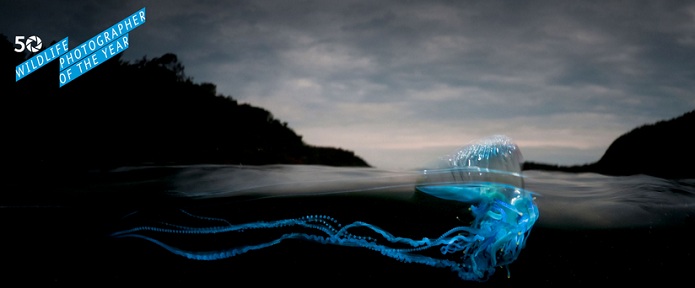
Photo: ©Matthew Smith. 

END

Would you like to explore London and beyond with a highly qualified and enthusiastic Blue Badge Tourist Guide?  Use our Guide Match service to find the perfect one for you!

Leave a Reply

Your email address will not be published. Required fields are marked *

You may also like

William Shakespeare at the Victoria & Albert Museum in London

William Shakespeare (1552 to 1616) was undoubtedly our greatest playwright and poet. He lived until the age of fifty-two and although he was born and is buried in Stratford-upon-Avon, it was in London that he made his fame and fortune. Known as The Bard of Avon, his plays are regularly revived on the London stage, and the Globe Theatre, where he made his reputation as a playwright, was rebuilt in the late twentieth century largely as a result of the efforts of the American actor and theatre director Sam Wanamaker.

Read more

Three Ships In London To Visit

London is a port city, and Britain became great because of its navy and ability to trade across the globe. The capital’s wealth is built upon that sea trade. There are reminders of London's maritime history everywhere. In Trafalgar Square, we commemorate the 1805 victory (and the death) of Admiral Lord Nelson at the Battle of Trafalgar. At Tower Hill, we remember the 36,000 merchant mariners lost at sea with no known grave. And the Museum of London Docklands examines the triangular trade in goods, sugar and slaves, upon which so much of the city’s wealth was built.

Read more