



The Fabric of India exhibition will be the highlight of the Victoria & Albert Museum India Festival and will explore the dynamic and multifaceted world of handmade textiles from India from the 3rd to the 21st century.
India’s handmade textiles are embedded in every aspect of its identity. The history of these fabrics date back at least 6,000 years. Courtly splendour was proclaimed by sumptuous fabrics, while religious worship still finds expression through sacred cloths.
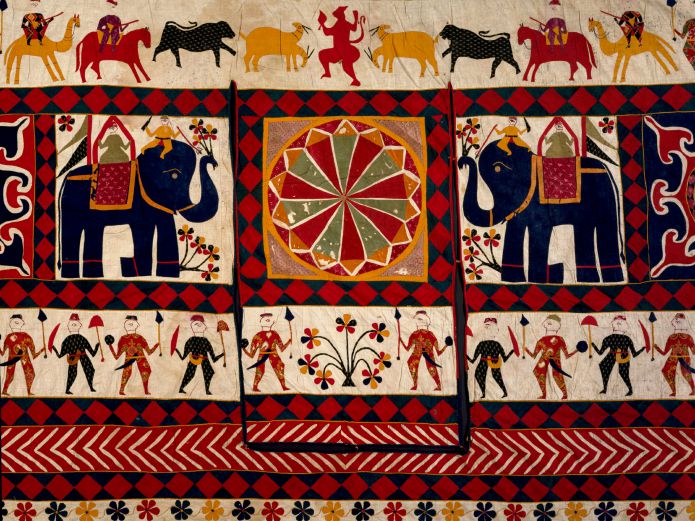
Wall hanging (detail), cotton appliqué, Gujarat, 20th century. Photo: © Victoria and Albert Museum.
Centuries of global trade have been shaped by the export of Indian textiles and patterns, in demand around the world. These celebrated hand-made textiles even survived the threat of industrialisation, instead uniting India as symbols of power and protest. Today, young designers are adapting traditional making techniques to create exciting new fashion, art and design for a global audience, giving India’s textile history a new relevance in the modern world.
The India Festival will mark the 25th anniversary of the opening of the Nehru Gallery, which displays some of the most important objects from the Victoria & Albert’s South Asian art collection produced between the 16th and 19th centuries. It is the first major exhibition to explore the dynamic and multifaceted world of handmade textiles from India, spanning from the third century to the present day. The Fabric of India exhibition at Tate Modern will feature over 200 objects, many on display for the first time, and is on from 3 October 2015 to 10 January 2016.
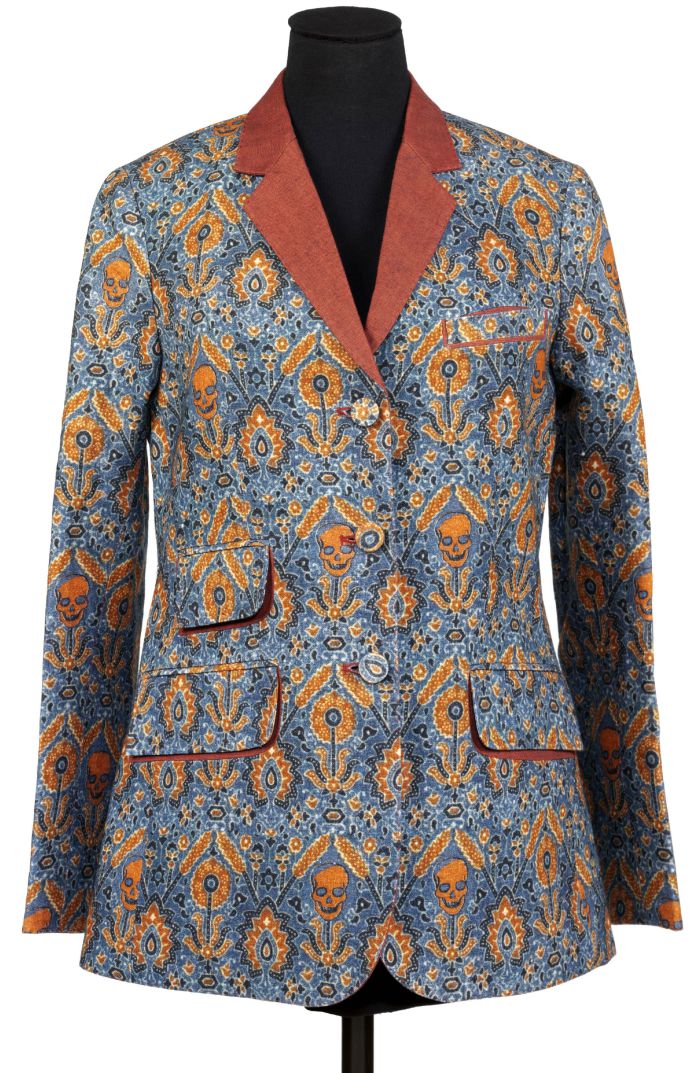
Rabari child’s jacket, cotton embroidered with silk, 20th century. Photo: © Victoria and Albert Museum.




Leave a Reply