
Tina Engstrom

The Comic Art of Thomas Rowlandson Exhibition at The Holburne Museum

Interested in comic art?  Then consider organising a Bath tour with one of our Blue Badge Tourist Guides and be sure to check out the High Spirits: The Comic Art of Thomas Rowlandson exhibition at Holburne Museum of Art. 

Portly squires and young dandies, Jane Austenesque heroines and their chaperones, dashing young officers and corrupt politicians. These are just some of the subjects of the keenly observant satires by English caricaturist Thomas Rowlandson (1757–1827). High Spirits brings together a collection of comic works by Rowlandson and examines life at the turn of the 19th century through the caricaturist’s sharp eye and appreciation of humour in everyday life. The exhibition is on 13 November 2015 –14 February 2016.  
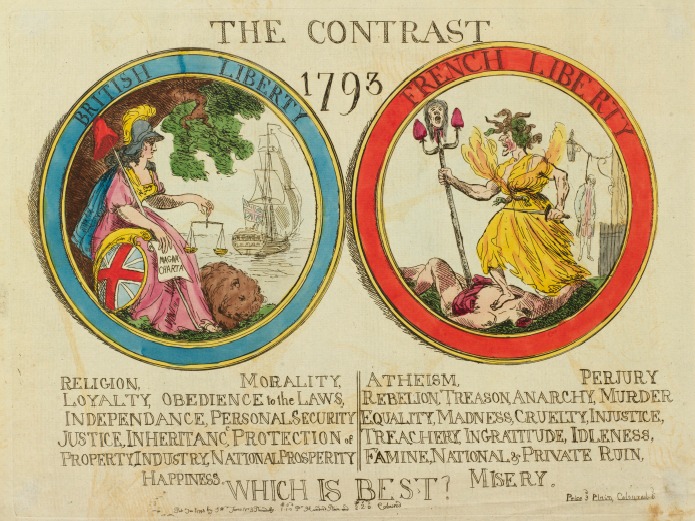
The Contrac<font size=

Thomas Rowlandson comic art: The Contrast, 1793. Photo: © Royal Collection Trust, Her Majesty Queen Elizabeth II 2015.
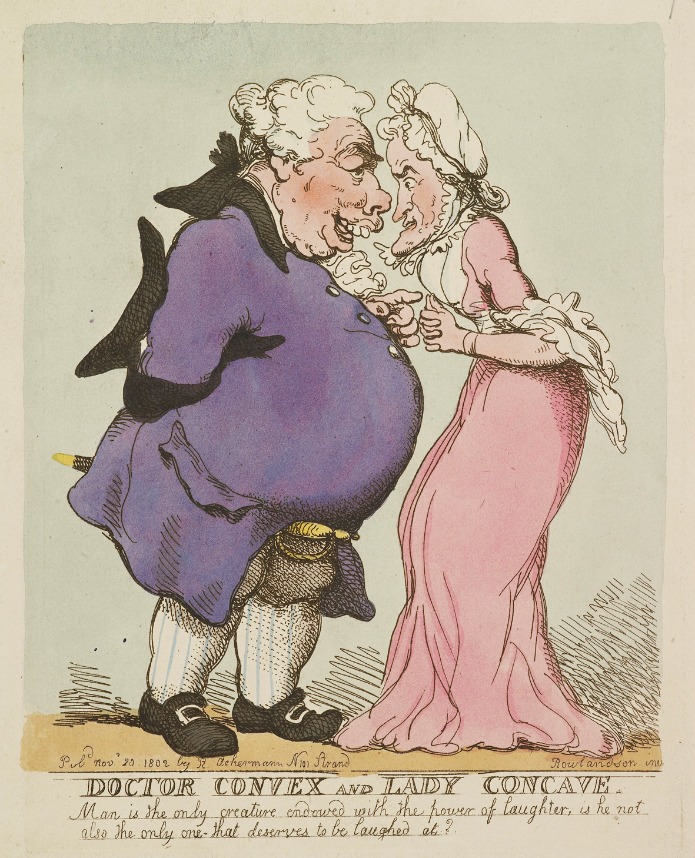
Doctor Convex & Lady Concave, Thomas Rowlandson

Thomas Rowlandson comic art: Doctor Convex and Lady Concave, 1802. Photo: © Royal Collection Trust, Her Majesty Queen Elizabeth II 2015.

For more information about the High Spirits: The Comic Art of Thomas Rowlandson exhibition check out the website for the Holburne Museum of Art.

 

Leave a Reply

Your email address will not be published. Required fields are marked *

You may also like

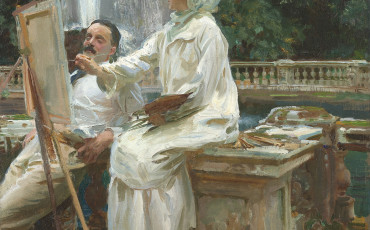
John Singer Sargent Exhibition at National Portrait Gallery

John Singer Sargent (1856-1925) was the greatest portrait painter of his generation. Acclaimed on both sides of the Atlantic, he was closely connected to many of the other leading artists, writers, actors and musicians of the time. His portraits of these friends and contemporaries, including Auguste Rodin, Claude Monet and Robert Louis Stevenson, were rarely commissioned and allowed him to create more intimate and experimental works than was possible in his formal portraiture.

Read more

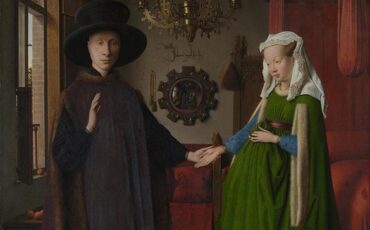
10 Things That May Surprise You About Works of Art at The National Gallery, London

In 1824 the House of Commons agreed to pay £57,000 for the art collection of the wealthy banker John Julius Angerstein. His 38 pictures became the core of a new national collection. Great encouragement came from another collector, Sir George Beaumont, who donated 16 paintings to the new gallery and in 1838 the National Gallery in Trafalgar Square finally opened its doors.

Read more