



The first exhibition to focus on images of artists from within the Royal Collection, Portrait of the Artist not only show-cases self- portraits by world-renowned artists including Rembrandt, Rubens, Artemisia Gentileschi, Lucian Freud and David Hockney but also features images of artists by their friends, relatives and pupils, including the most reliable surviving likeness of Leonardo da Vinci by his student, Francesco Melzi. Well-known self-portraits intended to advertise the artist’s talents will be shown alongside more intimate and personal works.
The Portrait of an Artist exhibition will examine a range of themes played out within these objects, from the ‘cult’ of the artist to the symbolism evoked through images of the artist’s studio. The changing status of the artist over the centuries is another theme and the way in which this is conveyed, both in the physical works and in the relationships between artist and patron will be highlighted. The role of monarchs in commissioning, collecting and displaying portraits of artists will also be discussed.
Portrait of the Artist exhibition will contain over 150 objects, including paintings, drawings, prints, photographs and decorative arts ranging in date from the 15th to the 21st century. It will be at the Queen’s Gallery, Buckingham Palace from 4 November 2016 – 17 April 2017.
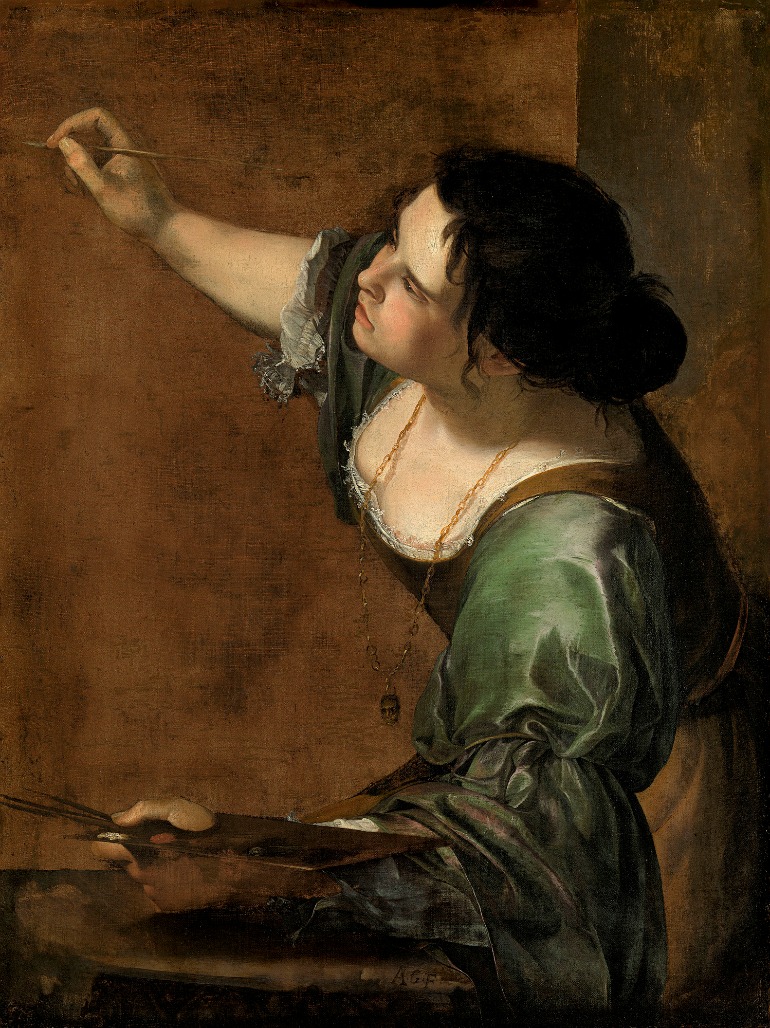 Artemisia Gentileschi, Self portrait as the Allegory of Painting (La Pittura), c.1638-9. Photo Credit: Royal Collection Trust/ © Her Majesty Queen Elizabeth II 2016.


Leave a Reply