



The extension to the Tate Modern museum in London, the Switch House opens on 17 June 2016. And if you were thinking it would be just a few paintings, sculptures and a new café, prepare to have your mind blown.
Cuban artist Tania Bruguera’s ‘Tatlin’s Whisper #5’, which will feature mounted police riding back and forth corralling people in the Turbine Hall, is just one of the performances heralding a new chapter in Tate Modern’s evolution when its ten-storey, Herzog & de Meuron-designed Switch House building opens to the public.
There’ll also be a 500-strong massed choir, singing songs written specially about the building by British artist Peter Liversidge, Romanian duo Pirici and Pelmus ‘performing’ famous sculptures, plus Lebanese artist Tarek Atoui building and playing his own musical instruments in the galleries.
Some of the performances will take place just for the opening weekend, when Tate Modern stays open until 10pm each evening, but three weeks of live art is scheduled right across the building.
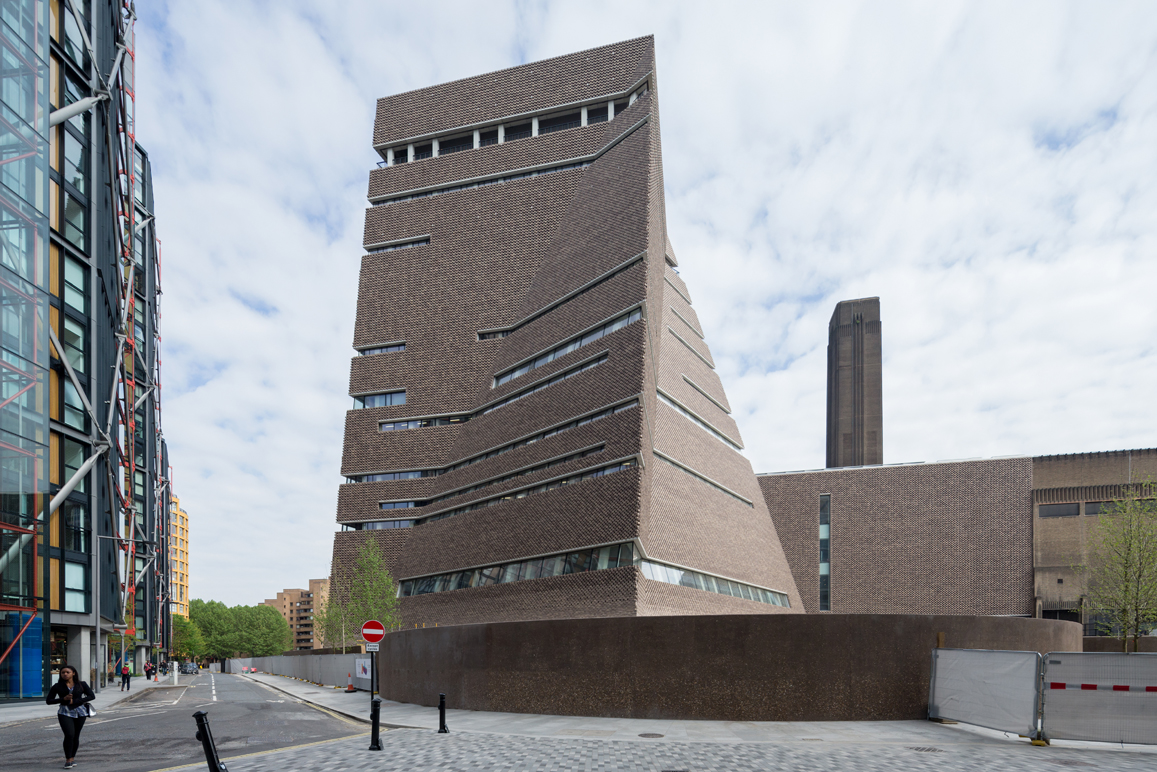 Tate Modern’s Switch House. Photo Credit: © Iwan Baan via Tate Modern.



Leave a Reply