
Tina Engstrom

America After the Fall: Painting in the 1930s Exhibition at Royal Academy of Arts

The art of 1930s America tells the story of a nation in flux. Artists responded to rapid social change and economic anxiety with some of the 20th century’s most powerful art – brought Grant Wood, American Gothic, 1930 together now in this once-in-a-generation show. 45 truly iconic works paint an electrifying portrait of this transformative period. These are works which have rarely been seen together, by artists ranging from Jackson Pollock, Georgia O’Keeffe and Edward Hopper to Thomas Hart Benton, Philip Guston and more. Perhaps the most celebrated work of them all, Grant Wood’s iconic American Gothic (1930), has never left North American shores before. The America after the Fall: Painting in the 1930s exhibition at Royal Academy of Arts runs 25 February – 4 June 2017.
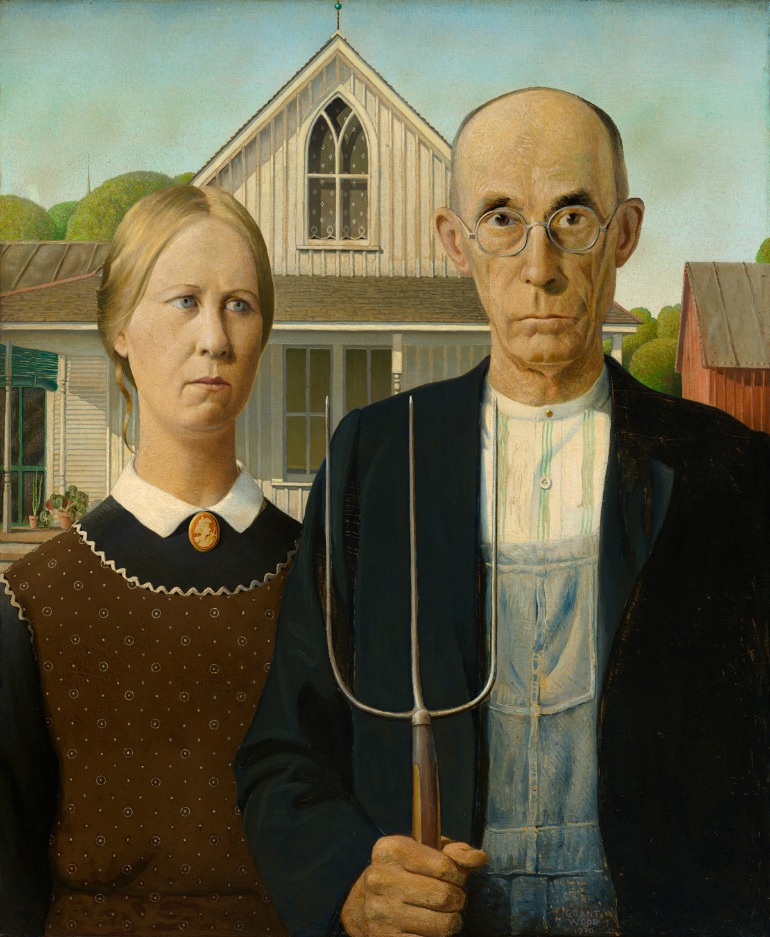
Royal Academy of Arts: Grant Wood, American Gothic, 1930. Photo Credit: © The Art Institute of Chicago/Friends of American Art Collection. Royal Academy of Arts: Grant Wood, American Gothic, 1930. Photo Credit: © The Art Institute of Chicago/Friends of American Art Collection.

Leave a Reply

Your email address will not be published. Required fields are marked *

You may also like

Happy 200th Birthday to The National Gallery in London

The main impetus for the founding of The National Gallery was the purchase, by the British government, of thirty-eight paintings – including masterpieces by Rembrandt, Rubens and Titian - from the collection of John Julius Angerstein, a successful banker and marine insurance broker born in St Petersburg to German parents. When the gallery first opened to the public, in May 1824, it was housed in Angerstein’s former home at 100, Pall Mall.

Read more

10 Things That May Surprise You About Works of Art at The National Gallery, London

In 1824 the House of Commons agreed to pay £57,000 for the art collection of the wealthy banker John Julius Angerstein. His 38 pictures became the core of a new national collection. Great encouragement came from another collector, Sir George Beaumont, who donated 16 paintings to the new gallery and in 1838 the National Gallery in Trafalgar Square finally opened its doors.

Read more