



Below are 5 reasons why the Royal Academy of Music Museum in London is a must for music lovers!
1. Visit the Royal Academy of Music Museum to explore unique instruments, manuscripts and art, and discover behind-the-scenes stories from the United Kingdom’s oldest conservatoire.
2. In permanent galleries and temporary displays, visitors will see star items such as the ‘Viotti ex-Bruce’ 1709 violin by Antonio Stradivari once played to Queen Marie Antoinette, Gilbert and Sullivan’s original score for ‘The Mikado’, and a trench gramophone from the First World War.
3. You can learn about the role the Academy and its alumni have played in musical development for nearly 200 years, and perhaps hear a live gallery demonstration of an 18th century harpsichord.
4. The friendly Gallery Assistants are Academy students who will tell you more about the displays and talk about their studies at the Academy.
5. The Royal Academy of Music Museum regularly holds free public musical and lecture events, museum tours, and offers children’s trails with quizzes and puzzles.
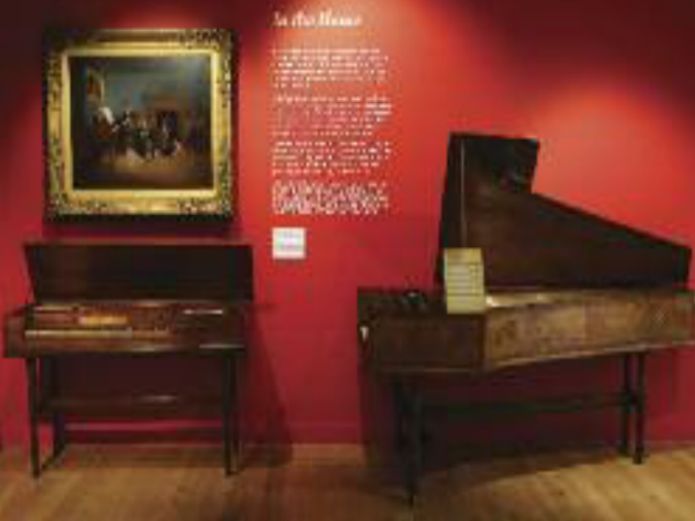
Photo: © Royal Academy of Music Museum.




Leave a Reply