

Blog
Blog Posts
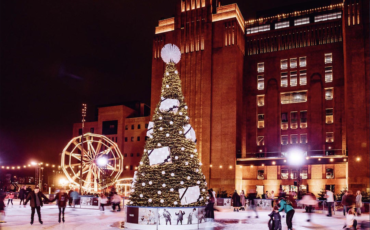
Ice Skating in London – 4 Open Air Ice Rinks To Enjoy Over The Christmas And New Year
Christmas festivities in Central London usually start with the putting up of Christmas lights in the major shopping areas. But nowadays, the laying out of ice rinks in popular tourist attractions makes the visitor experience much more fun. Here are five places where you can enjoy skating in London with amazing scenic views.
Read more
Guide to Enjoying Christmas & New Year In London
London offers a variety of ways to keep you entertained over the festive season. Here are some of the best tips from Guide London to help you make the most of the capital over Christmas and New Year!
Read more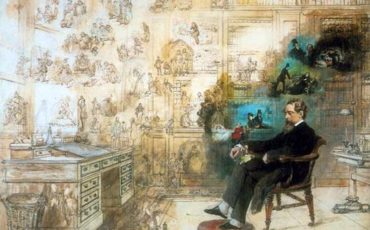
A Dickens Of A Christmas in London
More than anyone else, Charles Dickens invented the British Christmas with A Christmas Carol, his story about Ebenezer Scrooge and the ghosts of Christmas Past, Present, and Future. It was first published in 1843 and has been adapted for stage and screen many times. No surprise then that there are four museums in the United Kingdom dedicated to Charles Dickens (including one in London), more than any other British writer.
Read more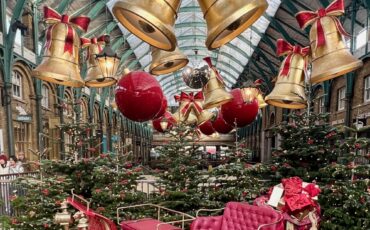
5 Reasons To Visit London During The Christmas Holidays
Christmas is a magical time of year to be visiting London. There are spectacular decorations everywhere and people are generally in a festive mood. Here are some of our favourite seasonal experiences which are all great reasons to visit London during the Christmas holidays.
Read more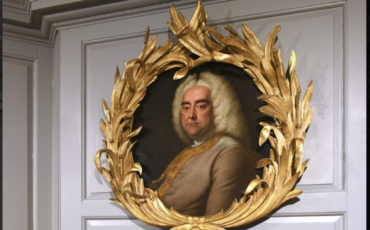
Stand Up For Handel – The Hallelujah Chorus
Christmas is upon us and many people – both locals and visitors – will go either to a church or concert hall to experience a performance of the Messiah written by George Frederick Handel, which is a highlight of the festive season. The Messiah was first performed in Dublin in 1742 and soon came to London.
Read more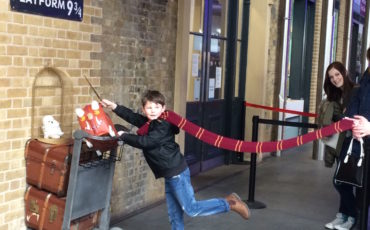
Harry Potter’s Importance to Tourism in London and Britain
Blue Badge Tourist Guides in London are used to taking people around places that have been around for a while and are often asked, ’How old is this place?’. Hogwarts School may have existed for some time, but nothing in the Harry Potter series of books and films is over thirty-five years old. Via this blog post, I’ll take a look at some of the places associated with the boy wizard.
Read more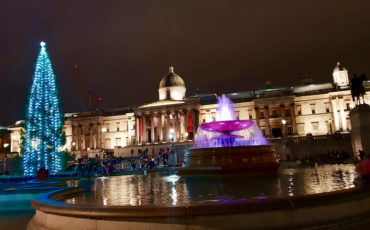
Trafalgar Square Christmas Tree Lighting Ceremony
For many Londoners, the Trafalgar Square Christmas tree lighting ceremony along with carol singing marks the start of the countdown to Christmas. The ceremony typically takes place on the first Thursday in December and is led by the Lord Mayor of Westminster, accompanied by a band and choir followed by the switching on of the Christmas lights.
Read more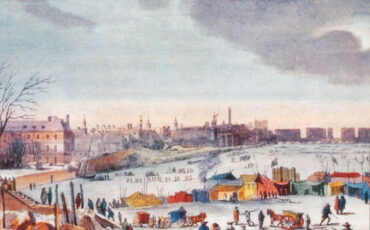
I Want A Picture-Perfect White Christmas In London
In December our thoughts turn to Christmas. We think about our family, friends, Christmas cards, food (lots of it!) and presents – will Santa pass by this year? Also, just as important, the reason for Christmas: the birth of Jesus. But what we also think about is the weather – will it snow? This question set me thinking – why do we feel Christmas isn’t really Christmas if it doesn’t snow?
Read more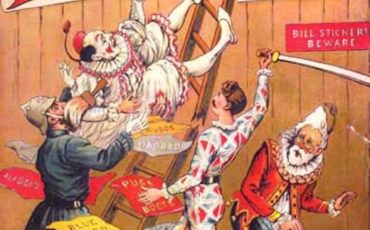
Pantomime – A Traditional British Christmas Treat For All The Family
Would you like to go to a theatre where you were allowed to shout back at the actors on the stage? The opportunity to do so comes between November running all the way through Christmas until the start of the New Year when Pantomimes take place in many village halls and theatres across the United Kingdom.
Read more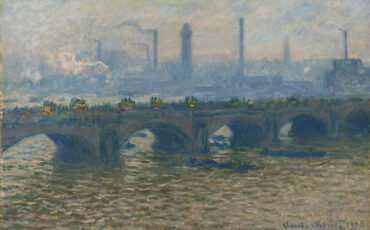
Claude Monet Exhibition at the Courtauld Gallery in London
London has been a smokeless zone for over sixty years. The city used to be famous for its ‘London fogs.’ They were described by the novelist Charles Dickens and even led to the creation of a type of American rainwear called London Fog. Then the Clean Air Acts were passed in the late 1950s and 1960s, largely as a reaction to the ‘great smog’ of 1952 and London Fogs gradually became a thing of the past that will hopefully never be seen again.
Read more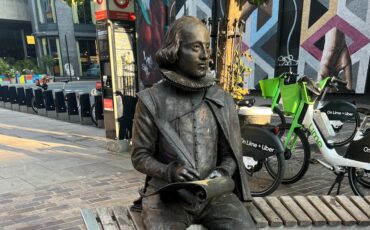
William Shakespeare – A London Eastender
It is not known to many people, but William Shakespeare began his theatrical career in the East End of London rather the place most often associated with him – Southwark, the area to the south of London Bridge. Sam Wannamaker, the American actor and director, felt that Shakespeare deserved a monument in London, the city where he made his fame and fortune. Wannamaker decided to rebuild the Globe Theatre in Southwark near the Tate Modern Museum and raised the money from donors to do so.
Read more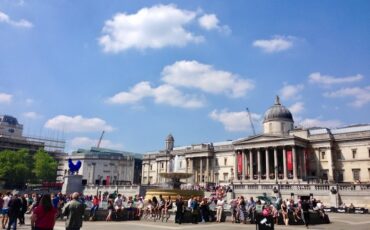
Fourth Plinth In Trafalgar Square – Filling The Most Famous Empty Space In London
Blue Badge Tourist Guides on a tour of London will probably go through Trafalgar Square in the centre of the city. One of its most striking features is the sculpture on display on the northwest side of the Square. Known simply as ‘The Fourth Plinth,’ it remained empty until 1999. It was consistently rumoured that a statue of the late Queen Elizabeth II was planned for this space but she had a very long life and died at the age of 96 in 2022.
Read moreTower of London Tour

See the Crown Jewels and discover the darker side of history at the Tower of London
A Tower of London Tour is unmissable because…
Her Majesty’s…