



Timed specifically to coincide with the centenary of the First World War, this exhibition concerns the relationship between photography and sites of conflict over time, highlighting the fact that time itself is a fundamental aspect of the photographic medium.
The Conflict, Time, Photography exhibition will include different perspectives which artists using cameras have brought to the sites they have depicted over different passages of time: from works made a few moments or one day after an event, to those made one year later or 10, 20, 30 and 100 years later. Subjects covered include conflicts from all over the world in the 19th, 20th and 21st centuries, including key themes of landscape, ruination, reconstruction and the human cost of conflict. The exhibition at Tate Modern in London is on from 26 November 2014 – 15 March 2015.
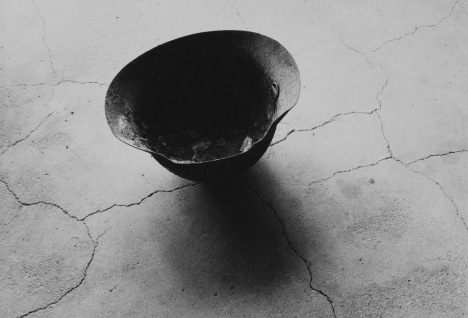
Steel Helmet with Skull Bone Fused by Atomic Bomb, Nagasaki 1963. Photo: © Shomei Tomatsu – interface. Courtesy of Taka Ishii Gallery, Tokyo.
END
Would you like to explore London and beyond with a highly qualified and enthusiastic Blue Badge Tourist Guide? Use our Guide Match service to find the perfect one for you!


Leave a Reply