
Tina Engstrom

Barbara Hepworth:Sculpture for a Modern World exhibition at Tate Britain

Tate Britain will open the first major Barbara Hepworth exhibition in London for almost fifty years. Barbara Hepworth (1903–75) is most commonly associated with St Ives, Cornwall, where she lived from 1939 until her death in 1975.

This major retrospective will emphasise Hepworth’s often overlooked prominence in the international art world, of which she was a leading figure in the 1930s, and one of the most successful artists in the world during the 1950s and 1960s. The exhibition charts Hepworth’s progress from small carvings made as a young woman to the magnificent bronzes that became part of the great sculpture collections of the world. It will present many of her surviving pre-war carvings, and some of her most significant sculptures in wood, stone and bronze.

The Barbara Hepworth will also encompass rarely seen works, including textiles, drawings, collages and photograms. The Barbara Hepworth:Sculpture for a Modern World exhibition at Tate Britain is on 24 June – 25 October 2015.
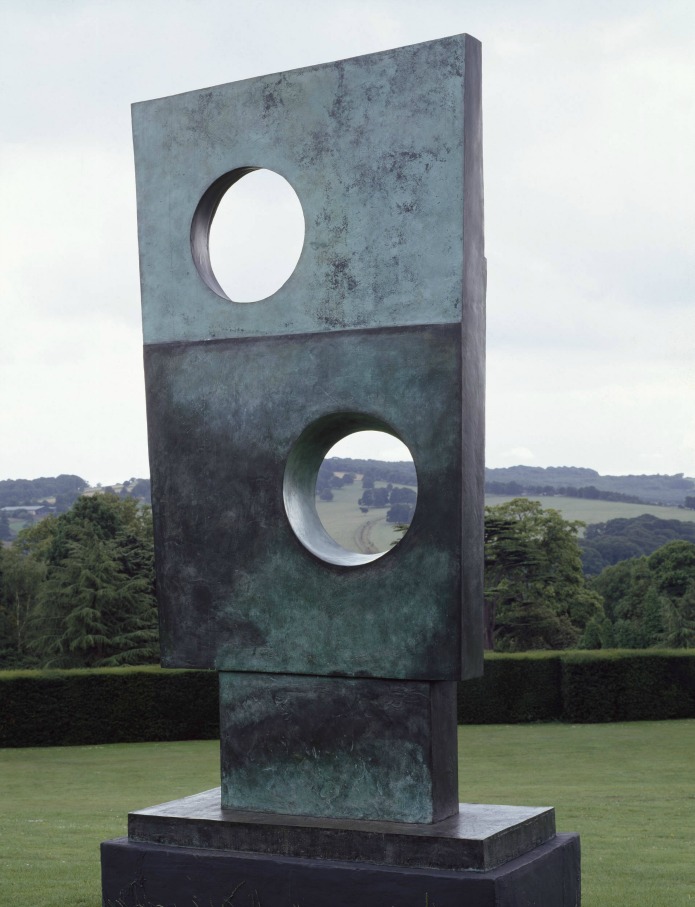
 

Barbara Hepworth - Squares with Two Circles 1963

Barbara Hepworth: Squares with Two Circles 1963. Photo: ©Tate Britain.

Leave a Reply

Your email address will not be published. Required fields are marked *

You may also like

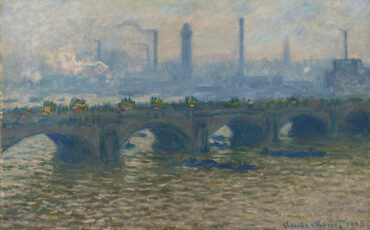
Claude Monet Exhibition at the Courtauld Gallery in London

London has been a smokeless zone for over sixty years. The city used to be famous for its ‘London fogs.’ They were described by the novelist Charles Dickens and even led to the creation of a type of American rainwear called London Fog. Then the Clean Air Acts were passed in the late 1950s and 1960s, largely as a reaction to the ‘great smog’ of 1952 and London Fogs gradually became a thing of the past that will hopefully never be seen again.

Read more

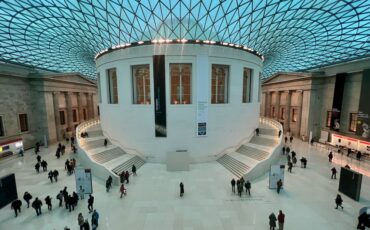
Building a Future, Facing a Past: The British Museum's Expansion Plans

The British Museum is one of the world’s great museums but has a very inappropriate name. Many of the treasures on display were acquired – sometimes by fair means, sometimes by foul – over the centuries when Britain was a great imperial power and most people thought little of the morality of taking treasures from countries that had been colonised as part of the British empire and displaying them in central London in a building designed by Sir Robert Smirke and his brother Sidney. Many of these countries now want their treasures back and are growing increasingly strident in demands for their return.

Read more